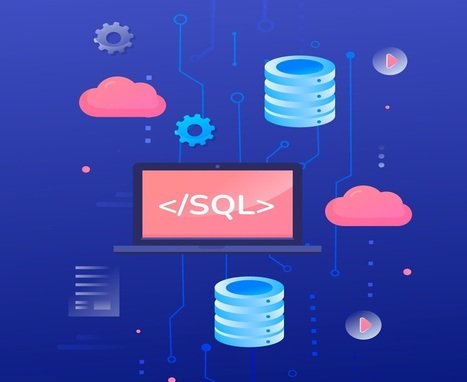
SQL Curriculum – Learning Summary
By the end of this course, students will gain a comprehensive understanding of databases and SQL, including how to manage, query, and manipulate data effectively. They will learn:
Fundamentals of Data and Databases: Understand the types of data (structured, semi-structured, unstructured), the need for databases over traditional file systems, and the purpose and types of Database Management Systems (DBMS), including RDBMS and NoSQL.
Core DBMS Concepts: Learn key DBMS properties such as ACID compliance, security, backup mechanisms, and multi-user support, along with real-world applications of different DBMS types.
SQL Basics: Gain foundational knowledge of SQL, including syntax, structure, and the ability to perform basic CRUD (Create, Read, Update, Delete) operations.
Data Definition Language (DDL): Understand how to define and manage database structures using commands like CREATE, ALTER, DROP, and TRUNCATE, and apply various data types and constraints.
Data Manipulation Language (DML): Learn to insert, update, and delete data in a controlled and safe manner using proper query structuring and best practices.
Data Query Language (DQL): Master SELECT queries, apply filtering, sorting, grouping, and aggregation, and use logical operators and expressions for refined data retrieval.
Joins and Subqueries: Learn to retrieve and relate data from multiple tables using different types of joins and subqueries, and understand when and how to use each effectively.
Indexes and Optimization: Understand what indexes are, how they work, and when to use them to enhance query performance.
Window Functions: Use advanced SQL window functions like ROW_NUMBER(), RANK(), and aggregation functions for analytical queries.
Views: Learn how to create, update, and manage views for simplified data access and abstraction.
Transactions: Understand the concept of transactions and ACID properties, and learn to use COMMIT, ROLLBACK, and SAVEPOINT for data consistency and integrity.
Stored Procedures and Functions: Develop reusable and modular code using stored procedures and user-defined functions, and understand the differences and benefits of each.
Triggers: Learn to automate actions in response to database events using triggers, and explore their use cases and limitations.
This curriculum prepares students for real-world database management, data analysis, and backend development tasks using SQL, making them proficient in both foundational and advanced database operations.
Category:
Enrollments
Level
Time to Complete:
Lessons:
Certificate:
Yes
SQL Curriculum – Learning Summary
By the end of this course, students will gain a comprehensive understanding of databases and SQL, including how to manage, query, and manipulate data effectively. They will learn:
Fundamentals of Data and Databases: Understand the types of data (structured, semi-structured, unstructured), the need for databases over traditional file systems, and the purpose and types of Database Management Systems (DBMS), including RDBMS and NoSQL.
Core DBMS Concepts: Learn key DBMS properties such as ACID compliance, security, backup mechanisms, and multi-user support, along with real-world applications of different DBMS types.
SQL Basics: Gain foundational knowledge of SQL, including syntax, structure, and the ability to perform basic CRUD (Create, Read, Update, Delete) operations.
Data Definition Language (DDL): Understand how to define and manage database structures using commands like CREATE, ALTER, DROP, and TRUNCATE, and apply various data types and constraints.
Data Manipulation Language (DML): Learn to insert, update, and delete data in a controlled and safe manner using proper query structuring and best practices.
Data Query Language (DQL): Master SELECT queries, apply filtering, sorting, grouping, and aggregation, and use logical operators and expressions for refined data retrieval.
Joins and Subqueries: Learn to retrieve and relate data from multiple tables using different types of joins and subqueries, and understand when and how to use each effectively.
Indexes and Optimization: Understand what indexes are, how they work, and when to use them to enhance query performance.
Window Functions: Use advanced SQL window functions like ROW_NUMBER(), RANK(), and aggregation functions for analytical queries.
Views: Learn how to create, update, and manage views for simplified data access and abstraction.
Transactions: Understand the concept of transactions and ACID properties, and learn to use COMMIT, ROLLBACK, and SAVEPOINT for data consistency and integrity.
Stored Procedures and Functions: Develop reusable and modular code using stored procedures and user-defined functions, and understand the differences and benefits of each.
Triggers: Learn to automate actions in response to database events using triggers, and explore their use cases and limitations.
This curriculum prepares students for real-world database management, data analysis, and backend development tasks using SQL, making them proficient in both foundational and advanced database operations.
(Average)
Want to receive push notifications for all major on-site activities?